
reliability of fpc circuit board compare to other PCB types
A printed circuit board (PCB) is a rigid or flexible insulating substrate on which conductive copper patterns are printed. It also contains pads on which components are soldered and traces that connect the pads. Almost all electronic devices contain one or more PCBs. The most common type of PCB is called a rigid PCB, and it has a rigid shape that allows it to be easily drilled, gold-plated, or otherwise altered for custom use. Rigid PCBs are generally more reliable than flex or FPC circuit boards. However, a flex or FPC can be combined with a rigid board to create a hybrid design that is more reliable than either type on its own.
FPCs are usually made of a polyimide substrate with conductive copper patterns on both sides. These patterns are covered by an insulating layer, known as a solder mask or coverlay, which leaves gaps where SMT pads or PTH holes will be located and exposed to the conductive copper for component assembly. These areas are protected from corrosion by treating the exposed surfaces with an anti-corrosion material.
The most important difference between fpc circuit board and traditional rigid PCBs is that a fpc circuit board can be bent or flexed without damaging the connections to other components. This flexibility means that they can be used in spaces that are too small or awkwardly shaped for rigid PCBs. It also allows them to be folded and twisted, which increases the number of connections that can be made in a given space and reduces the size of the overall system.
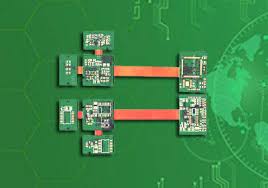
How does the reliability of fpc circuit board compare to other PCB types?
Another advantage of a fpc circuit board is that it can be used as a wiring alternative to conventional copper wire. This can reduce the risk of human error during wire connections, which in turn can improve quality and reliability. FPCs can also be used to simplify a complex circuit layout, which in turn can reduce the amount of space required for the circuit.
A fpc circuit board is also more durable than rigid PCBs. It can be flexed hundreds of times without losing its integrity, making it the preferred option for applications that require high reliability and durability. For example, many military equipment and life support equipment rely on flexible circuits to keep their systems running.
FPCs are widely used across various industries due to their versatility and performance benefits. In consumer electronics, they are found in smartphones, laptops, cameras, and gaming consoles. In the automotive industry, FPCs are used in dashboards, airbag systems, and infotainment systems. Medical devices, such as hearing aids, pacemakers, and imaging equipment, also rely on FPC technology due to its flexibility and reliability.
FPCs can also be used in consumer electronics, automobiles, and other high-density applications where weight and volume are important concerns. The newest versions of FPCs are screen printed with conductive carbon ink, which is much cheaper to produce than the copper-based version. This technology is also being used in aerospace, military, mobile communication, portable computers, computer peripherals, PDAs, digital cameras, and other products.