
Flex PCB Manufacturer Can Be Used in LED Lighting Systems
LED lighting systems are becoming increasingly popular in a variety of applications thanks to their energy efficiency and longevity. However, these systems are limited by the amount of light they can produce based on the number of LED components they incorporate. As a result, designers are looking for ways to increase their light output while maintaining the system’s durability. One solution is to integrate rigid-flex PCBs into the design.
Rigid-flex PCBs are a combination of rigid and flexible circuit boards that offer design flexibility and superior thermal management. They can also reduce the number of connections and wires required, which helps to streamline system design and maintenance. Combined with smart lighting integration, they can maximize the effectiveness of LED light fixtures while optimizing energy consumption.
The key to a successful LED lighting project is the design. A good flex pcb manufacturer will understand the requirements and be able to provide the best possible solution. The most important component is the circuit traces, which represent the electrical connection points. These traces must be thick enough to resist bending and flexible enough to withstand vibrations and harsh environments.
To achieve this, manufacturers can use different materials and thicknesses for the conductive layers of the flex circuit. The conductive layers are usually made of copper. They can be coated with a layer of polyimide or other material to act as a solder mask, protect the copper, and add rigidity to the board. The thickness of the conductive layer can vary from 1mm to 2mm.
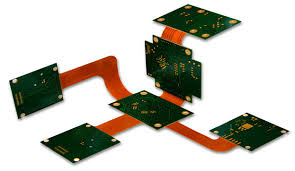
How a Flex PCB Manufacturer Can Be Used in LED Lighting Systems
Other options available for the flex PCB include silkscreen and plating of edge terminals. While these options do not affect the overall cost of the flex PCB, they may be necessary for specific applications. For example, if the flex PCB will be mounted to a surface or stick to something, it may need an adhesive. Similarly, if electromagnetic interference (EMI) is an issue, it might be necessary to add a shielding film.
In addition, the flex PCB can be produced with various colors for the solder mask and coverlay. The choice of colors is dependent on the type of application and will not significantly impact the final price. For example, some customers might want to use a blue color for the solder mask to indicate that the circuit is active, while others might prefer a red color to signify a power-on condition.
Lastly, the flex PCB can be manufactured using either panel plating or pad-only plating (button plating). Panel plating involves applying copper to the entire surface of the board. Button plating, on the other hand, applies copper only to the pads of the conductive paths. This allows a more detailed etch pattern and higher etch yields, which is essential for a flex circuit.
Once the flex PCB is designed and produced, it must undergo several tests to ensure its quality and reliability. These tests include a visual inspection to look for defects and other issues. They can be performed manually or by using automated machines. For larger batch orders, automated machines are typically used to minimize assembly time and improve efficiency.