
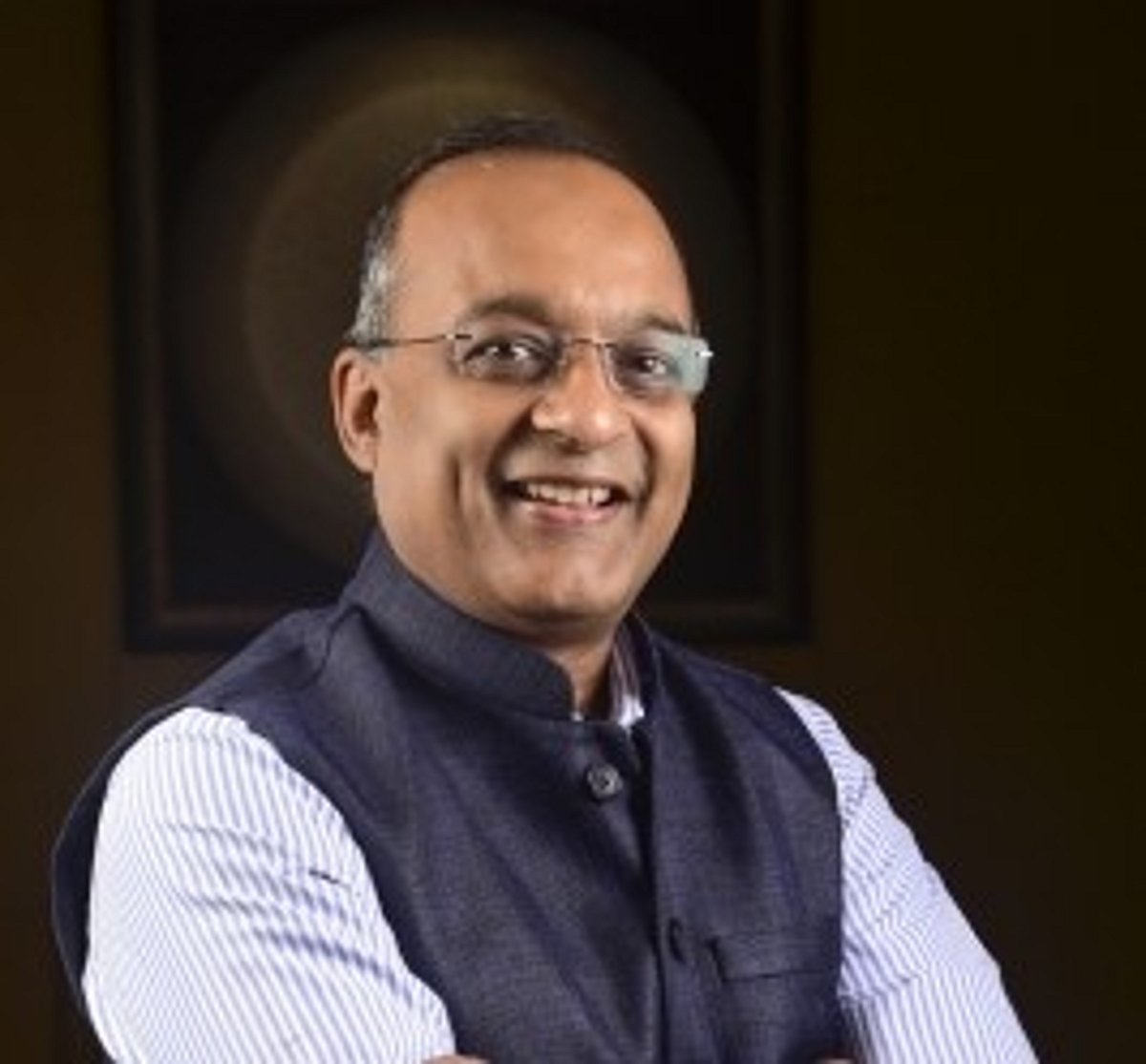
MUMBAI: In a big relief to HDFC Bank chief executive Sashidhar Jagdishan, which came after many adjournments since early June as four high court judges recused themselves from hearing the case, the Bombay High Court has quashed and set aside an order passed by a judicial magistrate to register an FIR against him following a private complaint filed on the behalf of the Lilavati Kirtilal Mehta Medical Trust, which runs the Lilavati Hospital in Mumbai.
The Trust accused Jagdishan of accepting a bribe of Rs 2.05 crore from an ex-trustee Chetan Mehta, for giving him financial advice and helping him to retain control over the trust’s governance. The bank and Jadishan in turn said the case is fabricated as Mehata and his private company owes money to the bank and he moved the court only after the bank began recovery proceedings.
Mehta further accused Jagdishan of interfering in the internal affairs of the trust by misusing his position as the head of HDFC Bank. Setting aside the lower court order for registering an FIR against the head of the second largest bank, justice Shriram Modak noted in his August 5 order (which was uploaded on the court website only on Monday), that the magistrate at the Girgaon court had issued a notice to Jagdishan without verifying the complaint and also the witnesses and even before taking cognizance of the said complaint.
The FIR was ordered to be registered on May 29. Following which both Jagdishan and the bank moved the high court early June but could not take up the issue as the first judge assigned the job recused and so did the second judge.
Following this Jagdishan moved the supreme court for an urgent hearing on July 2 and on July 4, the a two-judge bench of the apex refused to hear him saying the matter is pending in the HC. But again two more judges recused in the course of July and finally the case was heard on August 5.Refusing to accept the trust’s contention, as advanced by senior advocate Aabad Ponda that the provisions to section 223 of the Bharatiya Nagarik Suraksha Sanhita justify the magistrate in issuing notice to the accused, before taking cognisance of the complaint, the court said the magistrate should have first verified the complaint pertaining to defamation, before issuing notice to the proposed accused.
And that under the existing law, until the verification is recorded, the stage of hearing of the accused will not come. “There is a purpose of recording the verification. It gives an opportunity to the magistrate to ascertain whether to proceed further or not,” Justice Modak said granting relief to Jagdishan, the court set aside an order passed by a judicial magistrate issuing notice to him in the private complaint lodged against him by the Lilavati Trust.