
Pcb productions include LEDs
Yes, PCB productions can certainly include LEDs (Light Emitting Diodes). In fact, integrating LEDs directly onto printed circuit boards (PCBs) has become a common practice in modern electronics, thanks to the growing demand for energy-efficient lighting and compact, multifunctional electronic devices. LEDs offer numerous advantages, such as low power consumption, long lifespan, and small size, which make them ideal for use in a wide variety of applications. When incorporated into pcb production, they provide a cost-effective and compact solution for lighting and display applications.
In PCB production, LEDs are typically mounted on the surface of the PCB or integrated into the board’s design to serve specific lighting or display functions. LED components are often used in applications such as indicator lights, backlighting for screens, automotive lighting, and in various consumer electronics. The ability to mount LEDs directly onto the PCB allows for more efficient use of space and energy, making it a popular choice for modern devices.
The integration of LEDs into PCBs requires careful design and manufacturing processes to ensure that the LEDs are positioned correctly and can operate efficiently. The PCB must be designed with the appropriate power and signal routing to ensure that the LEDs receive the correct voltage and current. Additionally, heat dissipation is a key consideration, as LEDs generate heat that must be effectively managed to avoid damaging the components and ensuring their long-term performance.
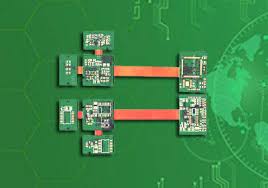
Can Pcb productions include LEDs?
When designing PCBs that include LEDs, several factors must be considered. One of the most important design aspects is ensuring proper thermal management. LEDs, particularly high-power ones, generate heat during operation, and excessive heat can reduce their efficiency and lifespan. To address this, designers often incorporate heat sinks, thermal vias, and other heat-dissipating features in the PCB layout to ensure that heat is effectively managed.
Another important factor is the electrical design. LEDs require a specific voltage and current to operate correctly, and improper power management can lead to issues such as dimming, flickering, or even failure. To prevent such problems, designers use resistors, voltage regulators, or constant-current drivers to control the power supply to the LEDs. The traces on the PCB are also carefully designed to ensure that the electrical paths can handle the required current without overheating or causing short circuits.
There are several methods for integrating LEDs into PCB production, including through-hole mounting and surface-mount technology (SMT). In through-hole mounting, LEDs are inserted into holes drilled in the PCB and soldered in place. This method is typically used for larger or higher-power LEDs that require more robust mechanical connections. However, through-hole mounting can take up more space on the PCB and is generally less efficient for high-density applications.
SMT is a more compact and efficient method for mounting LEDs on a PCB. In SMT, LEDs are directly placed on the surface of the PCB without the need for through-holes. This method is widely used for smaller, low-power LEDs and is ideal for applications where space is limited, such as in mobile phones or consumer electronics. SMT offers a more efficient manufacturing process and is highly compatible with automated assembly.
While integrating LEDs into PCBs offers several advantages, it also comes with some challenges that must be addressed during the PCB production process. One of the primary challenges is thermal management. As mentioned earlier, LEDs generate heat, and without proper heat dissipation, their performance can degrade. This can be especially problematic for high-power LEDs used in applications such as automotive lighting or large display panels. Designers must carefully consider the placement of the LEDs, use heat-dissipating materials, and ensure that the PCB layout allows for effective cooling.