
Rigid Flex PCB That’s Right for Your Product
Rigid-flex circuit boards are an integral part of today’s electronic devices. They are used in products like computers, tablets, and mobile phones, but they are also found in a wide range of other electronics. These circuits combine the best features of rigid and flexible PCB technology, allowing them to be shaped and bent in ways that are impossible for rigid PCBs alone. This allows for smaller and more compact devices that meet the demands of modern consumers, while still providing the functionality that users require.
To create a rigid-flex circuit board, a flexible circuit is bonded to a thin copper layer on the top of a rigid PCB. The resulting hybrid circuit is capable of bending in a limited range of shapes without damaging the circuit. It’s important to use a high-quality flex-to-rigid PCB manufacturing process that can provide you with the best possible results.
In addition to the design flexibility offered by rigid flex circuits, they offer a number of cost savings as well. Since fewer connections are required, assembly costs are reduced, and the overall weight of the device can be reduced as well. Additionally, rigid-flex circuits are able to withstand vibration, shock, and other environmental factors that can damage or even destroy traditional PCBs.
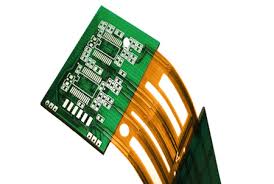
Creating a Rigid Flex PCB That’s Right for Your Product
The design process for a rigid-flex PCB is similar to that of a standard rigid PCB. A schematic is created, and the component placement is verified before moving on to a layout phase. In most cases, the layout will be a combination of multiple traces on each side of the board. The traces will be connected with pins, or other metal conductors, which are attached to components with solder. Once the layout is complete, it’s time to begin the fabrication process.
Depending on the complexity of your design, rigid-flex circuits can be produced in several different ways. For low-volume production runs, a simple mechanical bending procedure is sufficient. For high-volume production, a more complex method is necessary. This is referred to as blanking. This involves a hydraulic punch and die set, which requires substantial tooling costs. A blanking knife is then inserted into a routed slot in the backing board (typically MDF, plywood, or thick plastic such as Teflon) and the flex circuits are pressed against it. Once the etch resist is stripped, the flex circuits can be cut out of the backing board using the blanking knife.
Rigid flex circuits are ideal for applications in which space and weight are critical considerations, but they are not suitable for high-frequency applications or environments with harsh mechanical stress. If you’re designing a product that needs a rigid-flex circuit board, you should work with an experienced manufacturer that can produce the highest quality product possible. By working with a trusted manufacturer, you’ll be able to get your product to market faster and reduce the risk of costly delays due to misinterpretation or errors in the design process.