
Information Technology Security Protect Mobile Devices
Information technology security is a collection of technologies that safeguards both personal and business data on mobile devices. This includes both physical and virtual attacks against smartphones, tablets, laptops and desktop computers. Mobile security also encompasses various types of software, such as antivirus and antimalware. It also includes network security, such as secure VPN connections and firewalls. Lastly, it incorporates encryption, which converts data into an unreadable form that can only be read with the correct key.
The most common threats to mobile devices are malware, phishing, unauthorized access and theft of a device or its information. Malware is code designed to compromise a smartphone’s performance, steal data or cause other damage. Phishing is the attempt to gain a user’s credentials by sending them fake email or short message service (SMS) messages with links to fraudulent websites that try to steal passwords, credit card numbers and other sensitive information technology security.
A mobile device’s bigger attack surface makes it a more attractive target for cybercriminals. In addition, the ability to connect to multiple networks and public Wi-Fi hotspots increases its vulnerability. Cybercriminals can exploit these vulnerabilities to steal valuable company information or distribute malicious software.
Businesses can mitigate these risks by establishing and enforcing strict security policies. These include clearly defining security guidelines for device installations, network and application usage. These policies should be augmented with tools that allow organizations to monitor and manage their devices, implement security regulations, and apply updates to mobile operating systems and apps quickly and easily.
Ensure that all devices have the latest security software and update it regularly to prevent vulnerabilities from being exposed. Use a reliable mobile security provider to provide antivirus and antimalware protection that includes an auto-lock feature and remote wipe capabilities. It is also important to choose messaging apps that offer end-to-end encryption, which protects conversations from unauthorized interceptions and stops data leakage.
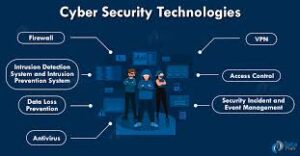
How Does Information Technology Security Protect Mobile Devices?
Disable the Bluetooth connection on your device when not in use, as leaving it active gives hackers a window into your phone’s data and location. Additionally, don’t connect to unknown WiFi networks, as these are often unsecured and can be used to transmit malware.
Review app permissions periodically and only grant them the necessary access to perform their functions. Many apps request more than they need, which can leave your data vulnerable. For example, some of the most popular social media apps can gather location data, contact details and other private information technology security without your knowledge.
Employers can take additional precautions by requiring that employees install software that provides multi-factor authentication for all apps on their phones and desktops. This makes it much harder for hackers to breach security with a simple password, requiring extra verification methods like a code sent to the device or fingerprint scan.
Companies can help to reduce the risk of a mobile security breach by providing staff with training on how to spot suspicious emails, messages and websites. They can also encourage staff to update their devices frequently and avoid connecting to unsecured wireless networks. They should also make sure that all devices are using a virtual private network (VPN) when accessing work servers and databases from outside the office, as this can add an additional layer of protection.