
Electronic PCB Designer
There is no one-size-fits-all way to become a PCB designer, but a good place to start is with a degree in engineering or electronics. In addition to a degree, it’s important to learn the fundamentals of CAD software and how to apply it to circuit board design. Taking courses like the ones offered by the Printed Circuit Board Engineering Association (PCE-EDU) is also a great idea. This will help you understand the nuances of PCB layout and give you a competitive advantage once you graduate from school.
Depending on your career aspirations, it’s also wise to consider pursuing additional education and earning industry certifications, such as IPC’s Certified IPC Design Engineer (CID) certification. This will help you develop critical technical skills and keep up with emerging technologies, such as flexible PCBs, IoT integration, and AI-driven design tools.
Once you have your educational foundation set, it’s time to gain hands-on experience in the field by working on internships or completing on-the-job training from a electronic pcb manufacturer. Getting an insider’s perspective of what it takes to design and build a PCB can help you decide if this is the right career path for you.
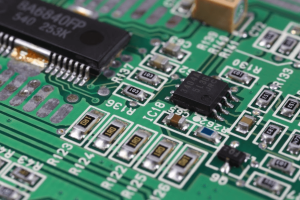
How to Become an Electronic PCB Designer
The main responsibilities of a PCB designer revolve around the schematic capture and layout phases of the design process. This means learning how to translate a schematic into a PCB layout and then plan the paths for electrical connections on the board. In this phase, it’s vital to ensure that the design follows the correct structural rules to guarantee a robust and reliable circuit board.
Other core responsibilities include creating the power and ground planes on the board. These are important because they provide a return path for the signals that are routed across the board with traces. Having a solid understanding of how to design these planes will improve the signal integrity of your designs, which is crucial for high-speed electronics.
You should also be familiar with the common materials used in electronic circuit boards, including FR-2, FR-4, FR-5, and CEM-1. Each material has its own insulating properties, and it is essential to know which one to use for your specific project. Knowing how to choose the best dielectrics will help you achieve optimal performance and reduce cost.
PCB designers are also required to keep up with technology trends and breakthroughs, which is why it’s a good idea to attend industry conferences and workshops. This will ensure that you’re staying up to date on the latest advancements, such as flexible PCBs, IoT, and 3D printing.
If you are someone who has an interest in electronics, enjoys solving puzzles, and wants to turn innovative ideas into tangible products, then becoming a pcb may be the perfect career for you. The demand for PCB designers is growing rapidly, and it’s a valuable skill to have in the modern age of connected devices. With the right training and industry experience, you can be on your way to a career in PCB design in no time!