
rigid-flex printed circuit boards
Understanding the differences between rigid, flexible, and rigid-flex printed circuit boards (PCBs) is essential for selecting the most suitable option for specific electronic applications. Each type offers unique advantages and capabilities, catering to different design requirements, space constraints, and performance objectives.
Rigid PCBs are the most common type and consist of a solid substrate material, typically composed of fiberglass reinforced epoxy laminate (FR-4), with copper traces and pads etched onto one or both sides. These boards maintain a fixed, rigid shape and are suitable for applications where stability and mechanical support are paramount. Rigid PCBs are ideal for standard electronic devices such as computers, smartphones, and consumer electronics, where components are mounted on a solid surface.
Flexible printed circuit board, on the other hand, are constructed from thin, flexible substrate materials such as polyimide (PI) or polyester (PET), which allow the board to bend or conform to irregular shapes. Flexible PCBs offer greater design flexibility and versatility, making them ideal for applications requiring compact form factors, lightweight construction, or high levels of flexibility. These boards are commonly used in wearable devices, medical implants, automotive electronics, and aerospace applications where space constraints or mechanical flexibility are critical considerations.
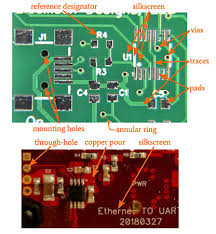
what is the difference between rigid flexible and rigid-flex printed circuit boards?
Rigid-flex PCBs combine the best of both rigid and flexible PCB technologies, offering a hybrid solution that integrates rigid sections with flexible interconnects. These boards consist of multiple layers of rigid and flexible substrates interconnected through plated through-holes or flexible connectors, providing both structural support and flexibility where needed. Rigid-flex PCBs offer the advantages of reduced assembly complexity, improved reliability, and enhanced design freedom, making them well-suited for applications requiring complex geometries, 3D form factors, or high reliability in harsh environments.
One key difference between rigid, flexible, and rigid-flex PCBs lies in their mechanical properties and dimensional stability. Rigid PCBs maintain a fixed shape and dimensional stability, providing robust mechanical support and structural integrity for components mounted on the board. Flexible PCBs, on the other hand, offer greater flexibility and bendability, allowing them to conform to curved or irregular surfaces without compromising performance or reliability. Rigid-flex PCBs combine the mechanical stability of rigid sections with the flexibility of flexible interconnects, offering a versatile solution for applications requiring both structural support and flexibility.
Another difference lies in the manufacturing processes and assembly techniques required for each type of PCB. Rigid PCBs are typically manufactured using traditional subtractive methods such as etching, drilling, and soldering, whereas flexible PCBs require specialized processes such as flex circuit fabrication, laser cutting, and precision bending. Rigid-flex PCBs involve a combination of both rigid and flexible fabrication techniques, as well as additional steps for bonding and interconnecting rigid and flexible layers.
Furthermore, each type of PCB offers different electrical performance characteristics and signal integrity considerations. Rigid PCBs provide excellent electrical properties such as low impedance, controlled impedance, and high-speed signal transmission, making them suitable for high-performance electronic applications. Flexible PCBs offer advantages such as reduced electromagnetic interference (EMI), improved signal integrity, and enhanced reliability in dynamic or high-vibration environments. Rigid-flex PCBs combine the electrical performance of rigid sections with the flexibility and EMI shielding capabilities of flexible interconnects, providing a balanced solution for demanding electronic designs.
In conclusion, the choice between rigid, flexible, and rigid-flex PCBs depends on the specific requirements of the application, including mechanical constraints, space limitations, electrical performance, and reliability considerations. By understanding the differences and capabilities of each type of PCB, designers can select the most suitable option to meet their design objectives and deliver optimal solutions for a wide range of electronic applications.