
role of automated dispensing in Assembly company pcb
In the fast-paced world of PCB assembly, precision and efficiency are paramount to meeting the demands of modern electronics manufacturing. Automated dispensing technology has emerged as a cornerstone solution, revolutionizing the way assembly companies handle the application of adhesives, solder paste, and other materials onto PCBs. The role of automated dispensing in PCB assembly encompasses a range of critical functions that streamline processes, enhance quality, and boost productivity.
One of the primary roles of automated dispensing is the precise application of adhesives for component placement and bonding. With the increasing miniaturization of electronic devices and the complexity of PCB designs, the demand for accurate and consistent adhesive dispensing has never been higher. Automated dispensing systems offer unparalleled precision, enabling assembly companies to apply adhesives in controlled patterns and volumes, ensuring secure and reliable bonding of components to the PCB substrate. This precision is essential for preventing defects such as component misalignment, tilt, or detachment, which can compromise the functionality and reliability of electronic assemblies.
Moreover, automated dispensing plays a crucial role in the application of solder paste onto PCBs, a critical step in surface mount technology (SMT) assembly processes. Solder paste deposition requires careful control of volume, placement, and consistency to ensure optimal solder joint formation during reflow soldering. Automated dispensing systems utilize advanced technologies such as pneumatic valves, syringe pumps, or jet dispensers to accurately deposit solder paste onto assembly company pcb pads with micron-level precision. This level of control minimizes solder bridging, solder balling, and other soldering defects, ultimately improving the quality and reliability of solder joints in electronic assemblies.
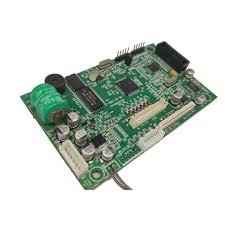
Can you explain the role of automated dispensing in Assembly company pcb?
Additionally, automated dispensing facilitates the application of conformal coatings and encapsulants onto PCBs, providing protection against environmental factors such as moisture, dust, and chemical contaminants. Conformal coatings serve as a barrier layer, shielding sensitive electronic components and traces from damage caused by harsh operating conditions or external influences. By automating the dispensing process, assembly companies can achieve uniform coating thickness and coverage, ensuring comprehensive protection for the entire PCB assembly. This is particularly important for applications in industries such as automotive, aerospace, and medical devices, where reliability and durability are paramount.
Furthermore, automated dispensing systems enable assembly companies to optimize material usage and reduce waste, leading to cost savings and improved efficiency. By precisely controlling material flow rates, dispensing volumes, and dispensing patterns, automated systems minimize over-application and ensure consistent material usage across multiple PCB assemblies. This not only reduces material waste but also mitigates the need for manual intervention and rework, freeing up valuable resources and minimizing production downtime.
Another key advantage of automated dispensing is its ability to adapt to diverse PCB designs, component configurations, and production requirements. Modern dispensing systems are equipped with versatile programming capabilities, allowing operators to create custom dispensing routines tailored to specific assembly tasks and material properties. Whether it’s applying adhesive dots, dispensing solder paste in fine pitch areas, or coating complex PCB geometries, automated dispensing systems offer flexibility and scalability to meet the evolving needs of PCB assembly companies.
Moreover, automated dispensing enhances process traceability and quality control through integrated software platforms that monitor dispensing parameters, track material usage, and generate detailed process reports. Real-time data analysis and feedback mechanisms enable operators to identify and address potential issues promptly, ensuring consistent dispensing performance and adherence to quality standards. This level of transparency and accountability is essential for achieving regulatory compliance, meeting customer requirements, and maintaining a competitive edge in the dynamic electronics manufacturing landscape.
In conclusion, automated dispensing plays a pivotal role in PCB assembly companies by revolutionizing material application processes, enhancing precision and efficiency, improving quality and reliability, and enabling adaptability to evolving production demands. As electronics continue to advance in complexity and functionality, the role of automated dispensing will only become more integral in driving innovation and excellence in PCB assembly. By embracing automated dispensing technologies and leveraging their capabilities to the fullest extent, assembly companies can achieve operational excellence and deliver high-quality electronic products that meet the needs of today’s demanding markets.